About Us
HEADS works across Pakistan and Afghanistan through humanitarian, recovery and sustainable development programmes implemented in collaboration with communities, government institutions, donors, civil society organizations and other partners. Its experience spans health and nutrition, education, livelihoods, WASH, protection, community infrastructure, climate resilience, disaster risk reduction, institutional capacity building and community development.
At the heart of HEADS' work is a community-centered approach that promotes participation, inclusion, accountability and local ownership. Through its programmes and partnerships, HEADS works to strengthen individuals, communities and institutions and contribute to sustainable, dignified and lasting change.
Section 42
August 2013
Afghanistan
Vision & Mission
Our Vision
Every Individual, regardless of background or circumstance enjoys equal opportunities and rights with dignity.
Our Mission
Empowering communities through strategic investment in human capital and institutional capacity development, raising sustainable development at the grass root level.
Our Goals and Objectives
Goal
Objectives
- Promote sustainable human resource growth and youth empowerment through skills development, economic opportunities, and peace-building initiatives.
- Foster partnerships and collaboration with government departments, NGOs, CBOs, women's organizations, and international donors for sustainable development.
- Support community-based, gender-sensitive development across key sectors, including education, health & nutrition, WASH, agriculture, natural resource management, and microfinance.
- Strengthen community resilience to climate change, environmental degradation, and disasters through preparedness and adaptive strategies.
- Ensure equitable access to quality education and healthcare, promoting holistic community well-being and social inclusion.
- Advocate for peace, human rights, social justice, and empowerment of marginalized groups.
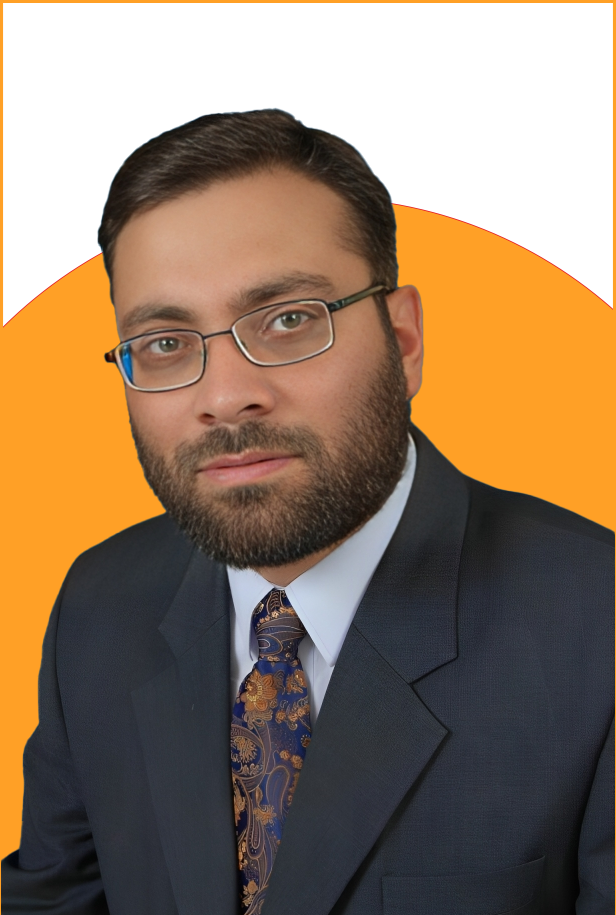
Message of Hope and Inspiration
Through our work in supporting replicable models for sustainable human resource development and collaborating with government/non-government departments, national & international organizations and UN agencies, we have made significant strides in empowering the destitute, poor, and oppressed. We have also made significant progress in advancing sustainable community-based development initiatives in areas such as education, agriculture, health & nutrition, WASH, Protection, livelihood and disaster management.
I am inspired every day by the tireless work of our staff, volunteers, and partners who share our vision and commitment to creating a more equal and just society. Together, we will continue to work towards our goal of achieving sustainable development for all.
Health Education and Development Society (HEADS)
Message of Hope and Inspiration
We have established a strong monitoring and evaluation department that provides us with timely and relevant information for quick and remedial actions. We also have a decentralized four-tier management structure that ensures that we have the proper controls in place to prevent the misuse of funds.
We are proud of our work in promoting participatory development at the grassroots level and building self-sustaining, development-oriented institutions. We are committed to continuing our work in collaboration with government departments, NGOs, and international agencies.
We will continue to provide regular updates on our progress and ensure that our stakeholders are informed of our activities and the impact that we are making.
Health Education and Development Society (HEADS)

Registrations, Affiliations & Memberships
Institutional affiliation with the Pakistan Centre of Philanthropy.
Registered in the System for Award Management.
Registered with the Data Universal Numbering System.
Registered with the Economic Affairs Division, Government of Pakistan.
Participation in relevant United Nations humanitarian clusters and working groups.
Member of the National Humanitarian Network.
Registered with PDMA Khyber Pakhtunkhwa, Sindh and Balochistan.
Registered with the Charity Commission of Khyber Pakhtunkhwa.
Registered with the Charity Commission of Balochistan.
Allow to Work (ATW) authorization.
Tax exemptions under Sections 2(36)(c) and 159 of the Income Tax Ordinance.
Programme Cross-Cutting Themes & Institutional Systems
HEADS integrates strong governance, accountability, quality assurance, community participation, inclusion, safeguarding and resilience principles across its humanitarian and development programmes. These systems ensure that interventions are relevant, effective, inclusive, transparent and responsive to the needs and priorities of the communities we serve.
HEADS operates under a clearly defined governance and management framework that promotes strategic leadership, accountability, transparency and effective decision-making. The Board of Directors provides strategic oversight, approves organizational policies, plans and budgets, oversees financial management and ensures legal and regulatory compliance.
An Internal Audit Committee supports the Board in overseeing internal controls, financial management, compliance, risk management and implementation of audit recommendations. The Chief Executive Officer provides overall executive leadership and ensures the effective implementation of organizational strategies, policies and programmes.
A multidisciplinary management structure comprising programme, project management, MEAL, finance, human resources, administration, logistics and procurement functions supports effective programme delivery and institutional performance.
HEADS applies structured programme management systems to ensure that projects are designed, implemented and monitored in accordance with approved objectives, work plans, budgets, organizational policies and donor requirements.
The Programme Development & Management and Project Management functions provide technical and operational oversight throughout the programme cycle, from programme design and planning to implementation, reporting and close-out. Quality assurance, cross-sectoral coordination, compliance and continuous improvement are integrated into programme implementation to strengthen effectiveness and sustainability.
HEADS maintains a dedicated MEAL function to promote evidence-based programme management and organizational learning. MEAL systems support regular monitoring, data collection, analysis, evaluation, reporting and learning throughout the programme cycle.
Programme performance and results are regularly reviewed to identify progress, challenges, gaps and areas for improvement. Findings and lessons learned are used to strengthen programme quality, inform management decisions and improve future interventions.
HEADS places communities at the centre of programme planning, implementation and monitoring. Through community liaison, social mobilization and inclusive consultation, HEADS works to ensure that programmes respond to locally identified needs, priorities and capacities.
HEADS supports community institutions and networks that promote participation, local ownership, collective decision-making and social accountability. The organization maintains mechanisms through which community members and other stakeholders can provide feedback, raise concerns and contribute to programme improvement.
Gender equality, equity and social inclusion are integrated across HEADS programmes to promote equal opportunities, dignity and meaningful participation. Particular attention is given to women, children, persons with disabilities and other marginalized or vulnerable groups.
HEADS promotes inclusive participation and works to reduce barriers to accessing essential services, opportunities and community decision-making. Gender-sensitive approaches are incorporated into programme design, implementation, monitoring and learning.
HEADS is committed to protecting the dignity, safety and rights of programme participants, staff and communities. Programme Participant Safeguarding and Protection from Sexual Exploitation and Abuse (PSEA) are integrated across organizational and programme processes.
HEADS promotes ethical conduct, prevention of misconduct and safe reporting mechanisms. Feedback and Complaint Response Mechanisms (FCRM) enable community members and programme participants to safely provide feedback, raise concerns and report misconduct without fear of retaliation.
Climate resilience and disaster preparedness are integrated into HEADS' humanitarian and development programming, particularly in communities exposed to climate-related and disaster risks.
HEADS supports community preparedness, capacity building, risk assessment, disaster risk reduction, climate adaptation and resilient infrastructure. The organization also works with communities, government institutions and partners to strengthen local capacity to anticipate, withstand and recover from emergencies and climate-related hazards.
HEADS maintains financial management systems designed to promote transparency, accountability, efficiency and responsible stewardship of organizational and donor resources. Financial planning and budgeting are linked to programme objectives, approved work plans and available resources.
The Finance & Accounts function maintains financial records, monitors expenditure against approved budgets, supports internal and external audits, and ensures compliance with applicable statutory and donor requirements. Internal controls, financial reviews, audit processes and management oversight contribute to effective risk management and sound financial accountability.
DONORS/ PARTNERS