- Donor: Khyber Society of America (KSA)
- Duration: 5th March 2026 to 31st May 2026
- Working Area: District Buner
- Beneficiaries: 11,270 Total Beneficiaries
- Budget: 20,190,000
The Flood Response Livelihood Enhancement, Economic Recovery, and Market Support Initiative in District Buner was implemented by HEADS in collaboration with KSA to support vulnerable flood-affected communities through livelihood restoration, small-business support, renewable energy solutions, and improved access to safe drinking water.
The initiative focused on helping affected households rebuild their sources of income and strengthen their economic resilience by providing productive assets and livelihood support tailored to local needs.
Key Interventions
Livelihood and Small Business Support
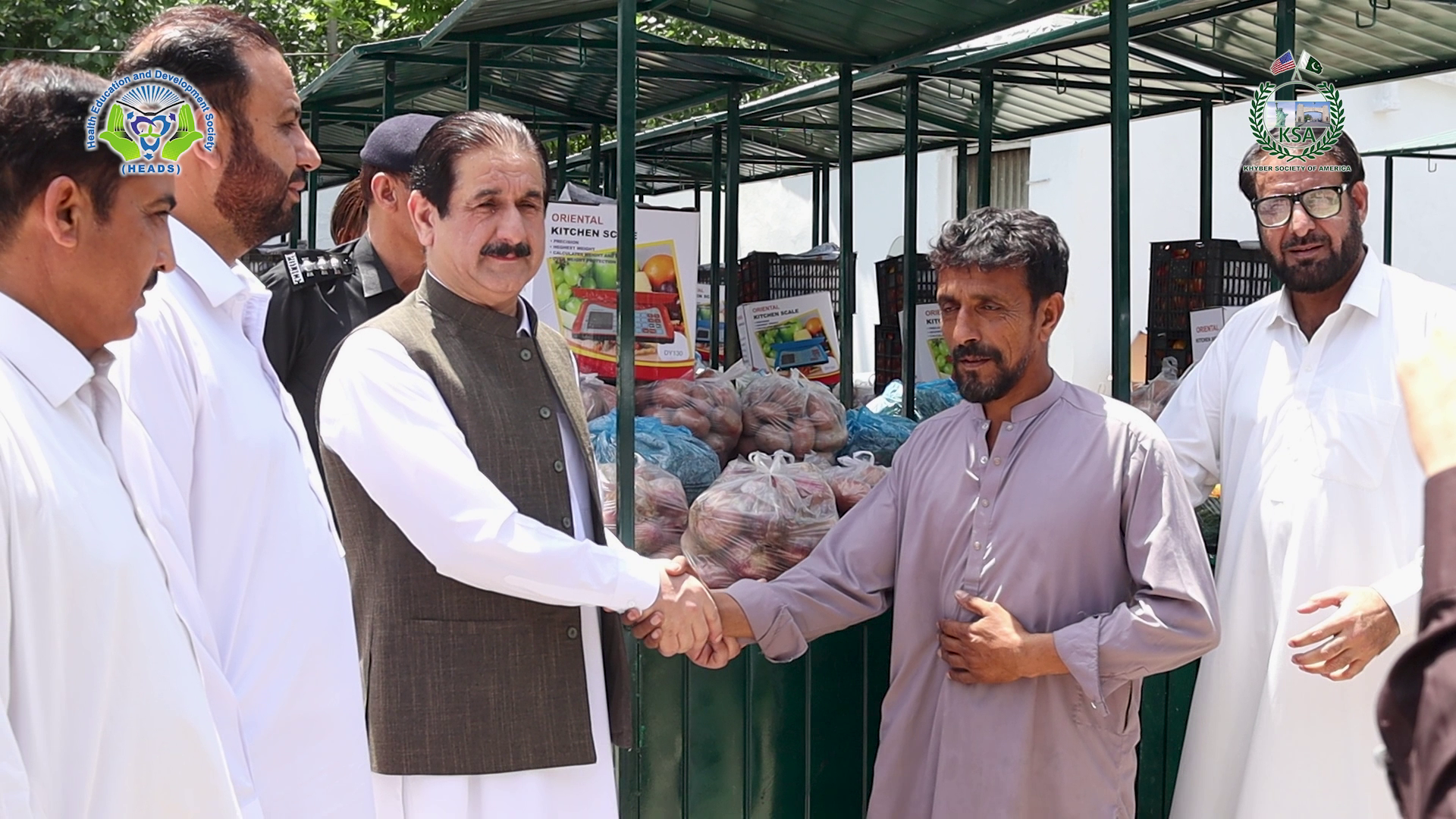
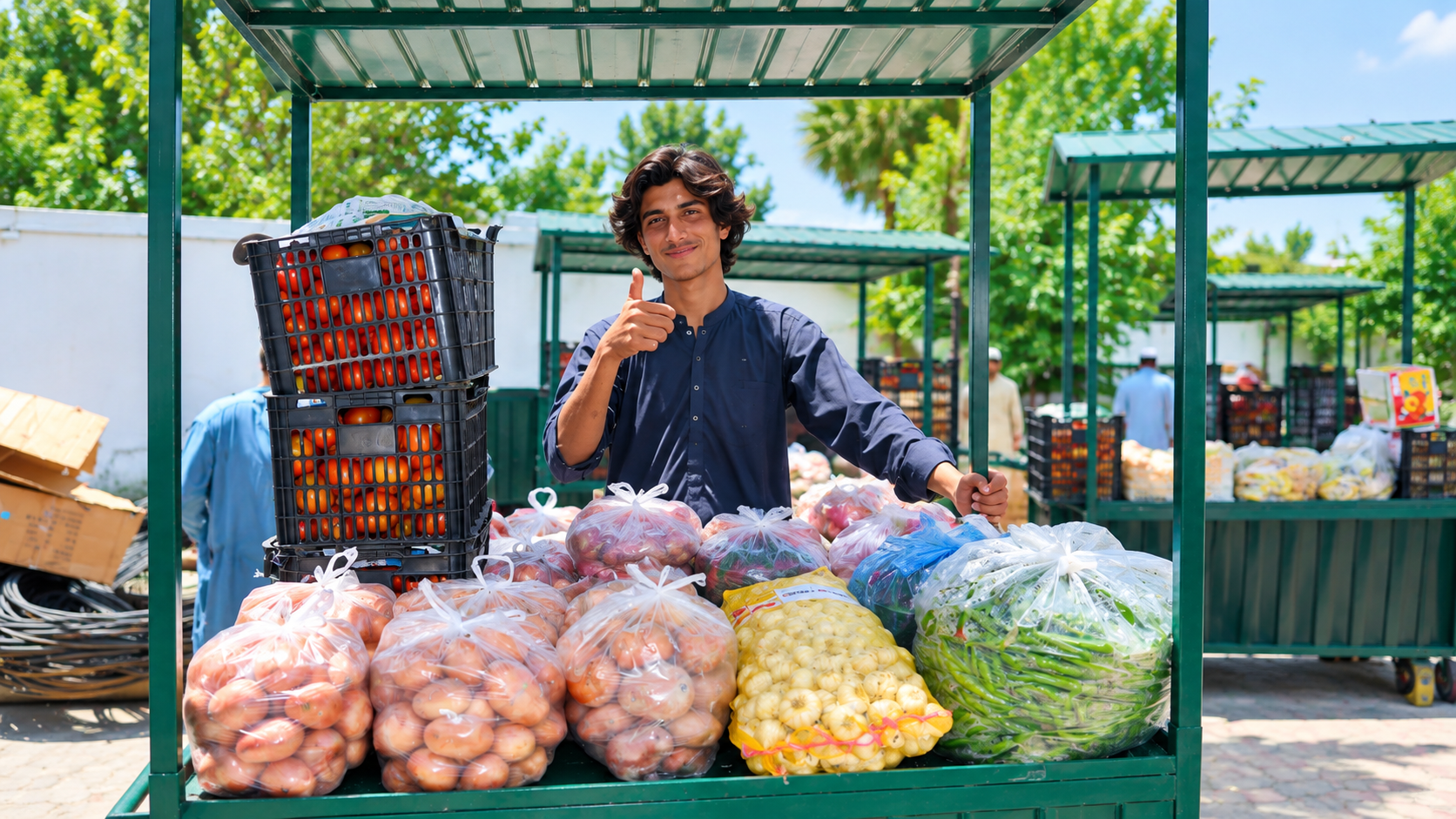
- Distribution of 100 fruit and vegetable carts to selected beneficiaries.
- Provision of digital weighing scales and initial stock to support the beneficiaries in starting or strengthening their businesses.
- Distribution of 10 dairy shop packages to support small-scale dairy businesses and income generation.
Solar Energy Support
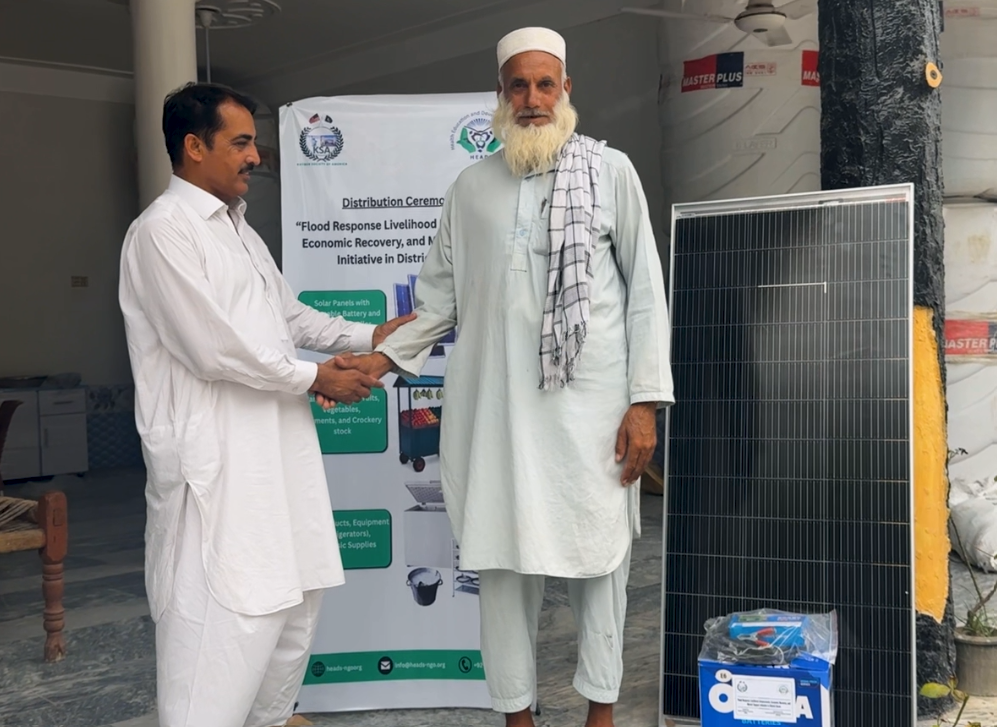
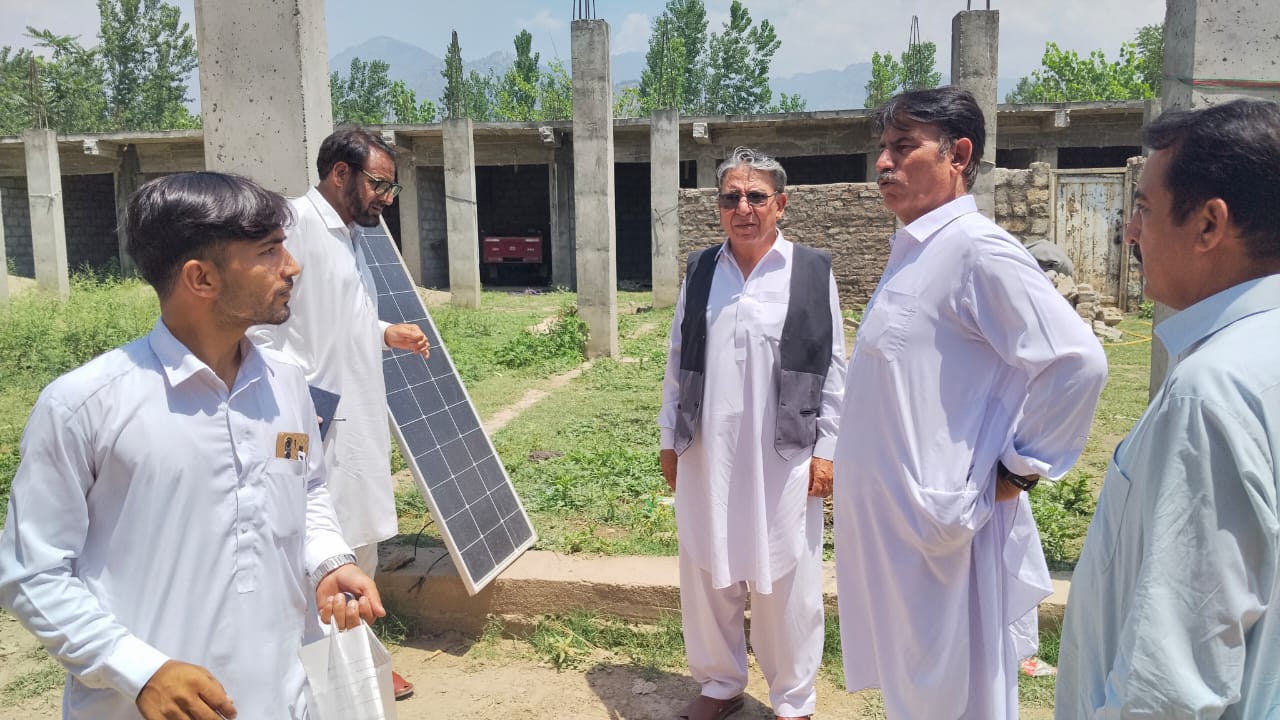
- Distribution of 58 solar systems to vulnerable beneficiary households, improving access to reliable and affordable energy.
Clean Water Access
- Completion and inauguration of a solar-powered water filtration plant in Village Balo Khan, providing community members with improved access to clean and safe drinking water.
Community Engagement
A distribution event was held on 20 May 2026 in Daggar, District Buner, with the participation of the Additional Deputy Commissioner (ADC) Buner and other government officials. The event highlighted the collaborative humanitarian efforts of HEADS and KSA in supporting communities affected by the floods.
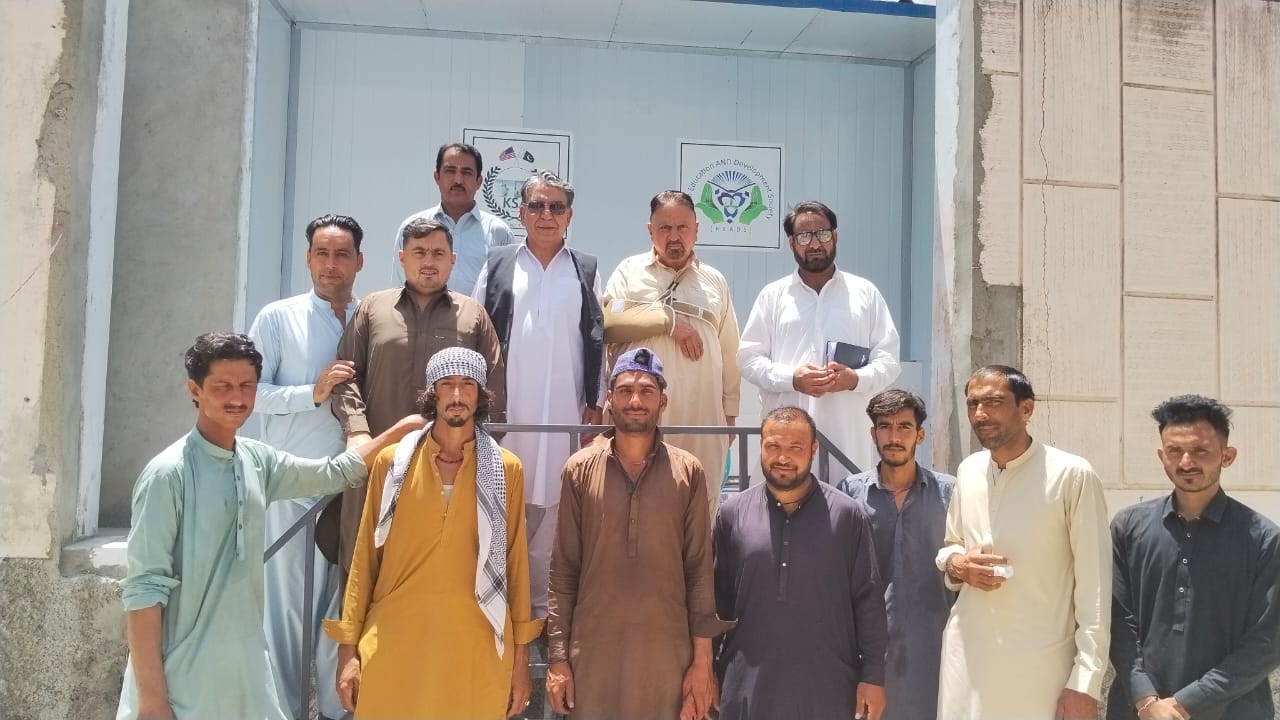
The project team briefed participants and local authorities on the objectives and interventions of the initiative. The district administration appreciated the humanitarian efforts undertaken by HEADS and KSA to support vulnerable communities in Buner.
Project Impact
Through livelihood assets, small-business support, solar energy systems, and clean water infrastructure, the initiative contributed to economic recovery, livelihood restoration, and improved household and community resilience among vulnerable flood-affected populations in District Buner.