- Donor: Eurasian Coalition on Health, Rights, Gender and Sexual Diversity (ECOM)
- Duration: 15th November 2025 to 31st January, 2026
- Working Area: District Peshawar
- Beneficiaries: 110 Beneficiaries from Trans Communities
- Budget: 1,399,750
The project focused on strengthening the knowledge, safety, and protective capacity of transgender persons in Peshawar, Khyber Pakhtunkhwa, through awareness, orientation, and practical capacity-building activities. The activities addressed key challenges faced by transgender persons, including gender-based violence (GBV), technology-facilitated gender-based violence (TFGBV), online harassment, cyber abuse, discrimination, privacy violations, and limited awareness of legal rights and protection mechanisms.
Through interactive and participatory sessions, participants were provided with practical knowledge on digital safety, personal protection, transgender rights, legal mechanisms, and available reporting and support services. The activities created safe learning spaces where community members could share experiences, discuss risks, and develop practical strategies for safer online and offline engagement.
Key Interventions
- Conducted a two-day Digital & Online Safety Training for Transgender Persons in Peshawar, with 30 participants.
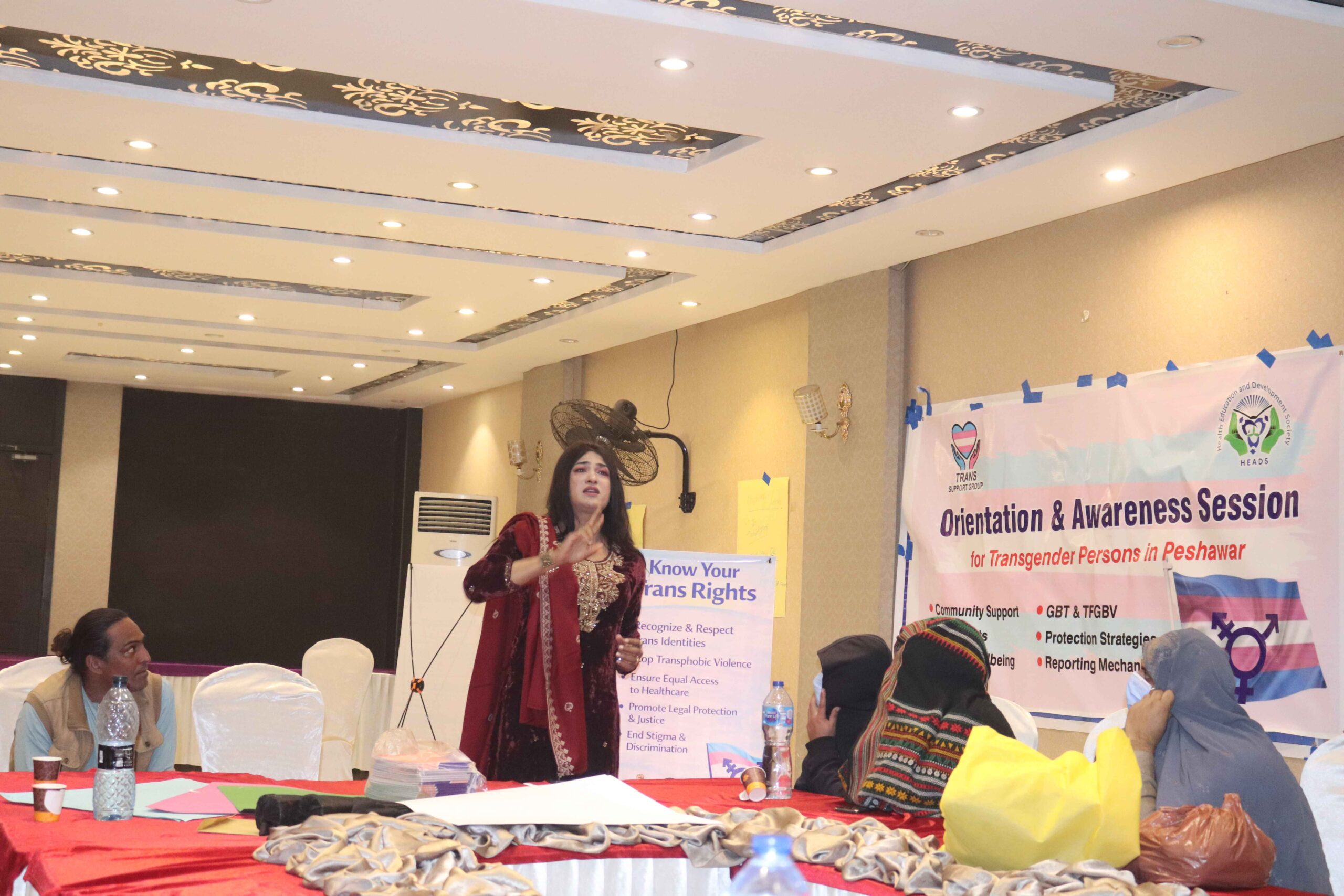
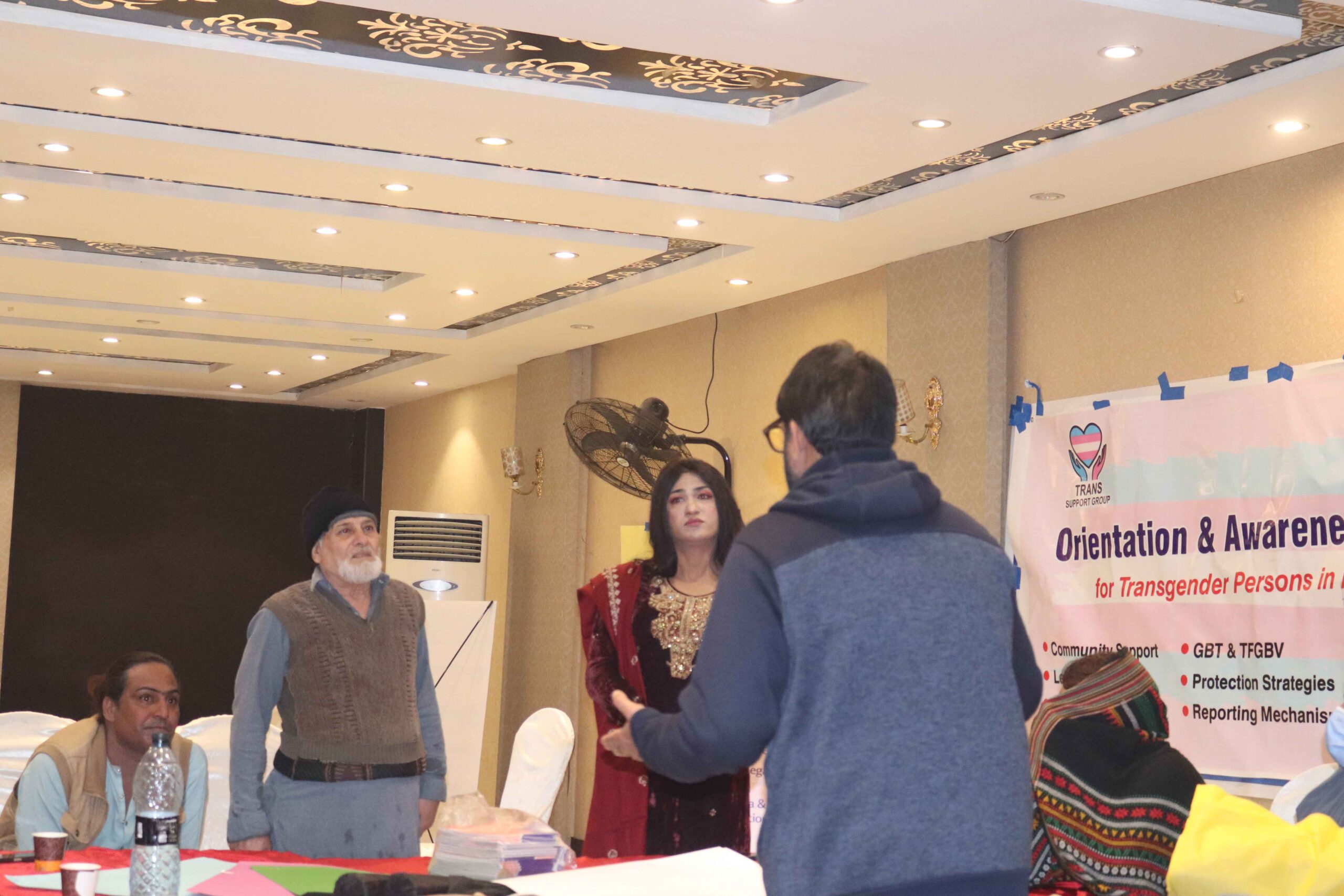
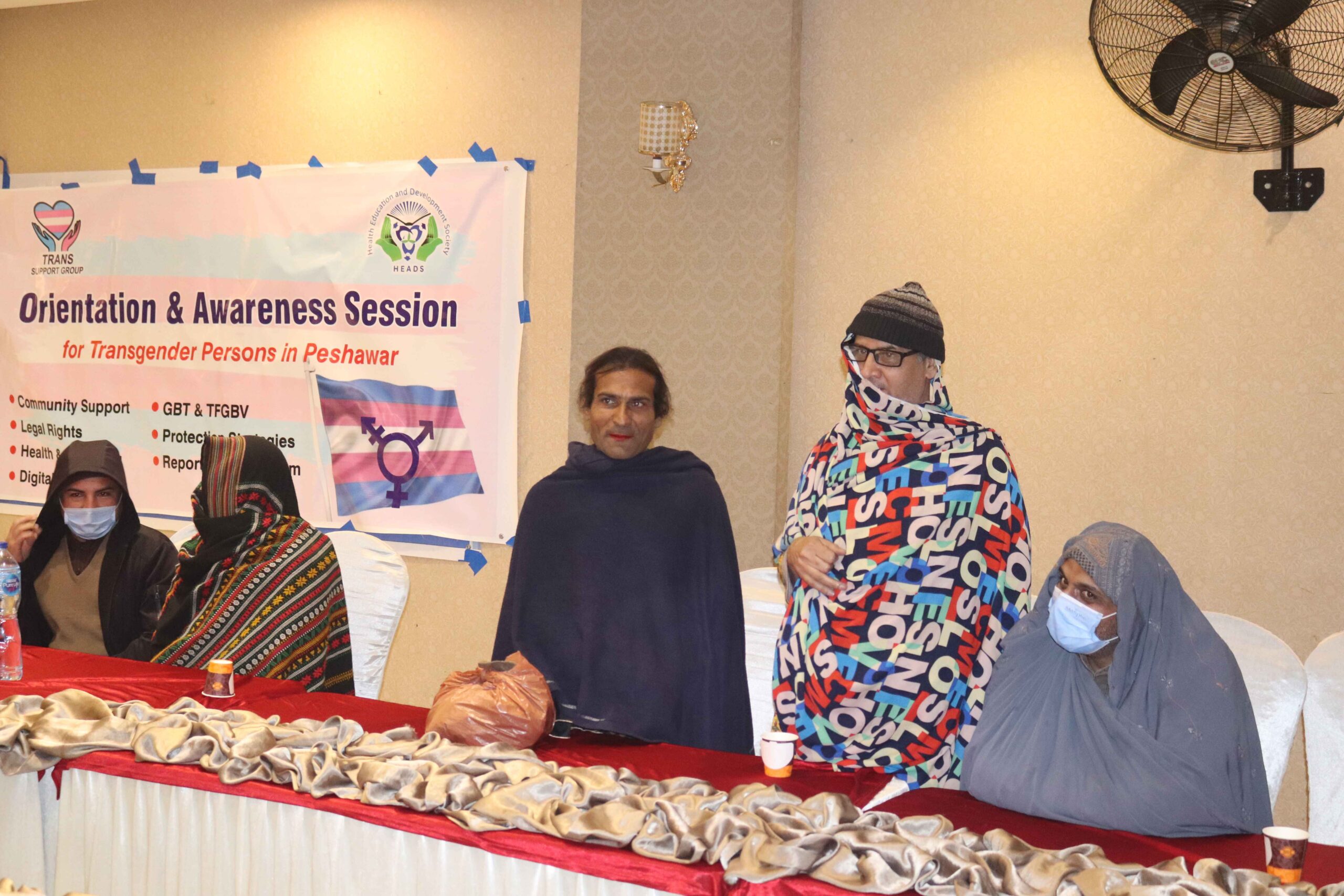
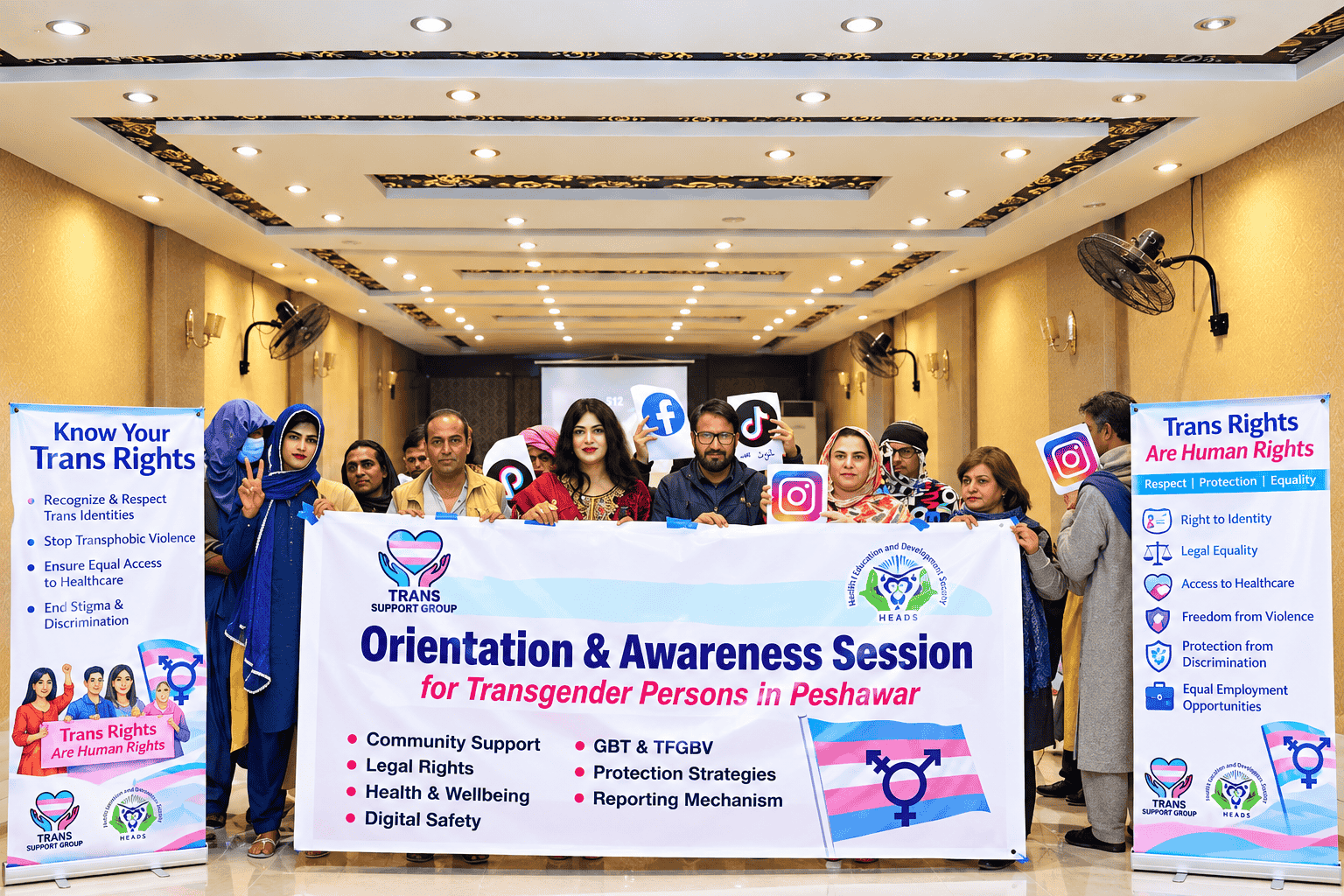
- Conducted two-day Awareness & Orientation Sessions on GBV, TFGBV and Transgender Rights, reaching 40 transgender persons.
- Raised awareness on GBV, TFGBV, online harassment, cyber abuse, and common safety risks faced by transgender persons.
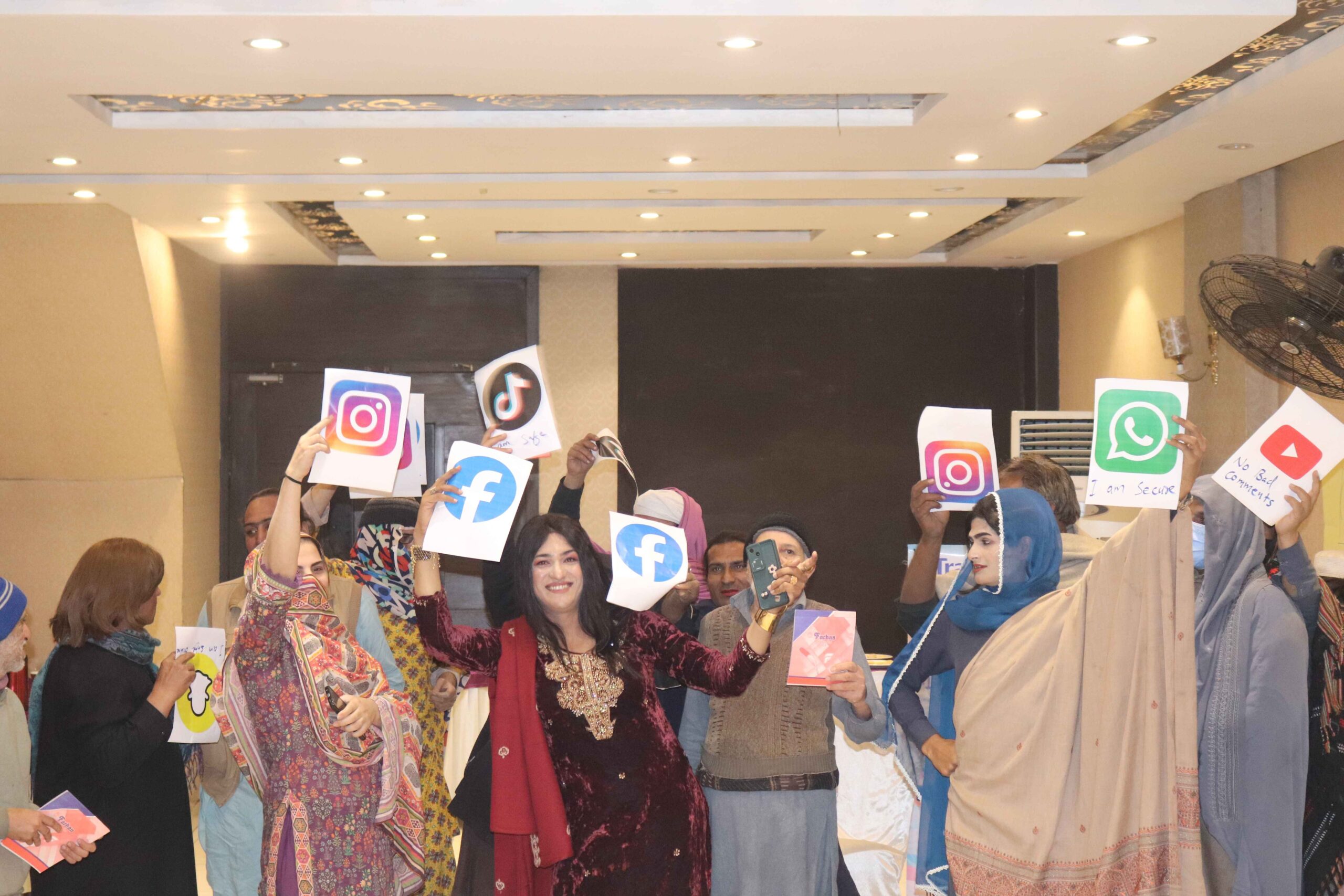
- Strengthened participants’ understanding of digital privacy, account security, strong passwords, two-step verification, and social media privacy settings.
- Provided practical guidance on blocking, reporting, and documenting abusive accounts, as well as identifying phishing links and fake websites.
- Increased awareness of transgender rights, human rights, constitutional protections, and the Transgender Persons (Protection of Rights) Act, 2018.
- Introduced participants to legal options, reporting mechanisms, FIA Cyber Crime reporting procedures, and available protection services.
- Promoted practical individual and community-based safety and protection strategies.
- Used interactive presentations, live demonstrations, group discussions, practical exercises, role plays, and question-and-answer sessions to encourage active participation and practical learning. – Distributed digital safety resources, including USB drives and printed and digital online safety manuals.
Community Engagement & Accountability
The activities used participatory and inclusive approaches to create safe spaces for transgender community members to discuss their experiences, concerns, and protection needs. Participants engaged in group discussions, practical exercises, role plays, experience sharing, and question-and-answer sessions, allowing them to apply the information and strategies discussed during the activities.
The digital safety training also included practical exercises on blocking and reporting abusive accounts and completing FIA Cyber Crime complaint forms, while the GBV and rights sessions encouraged collective reflection, peer learning, and discussion of available protection and support mechanisms.
Project Impact
The activities contributed to increased awareness and practical knowledge among transgender persons in Peshawar regarding digital safety, GBV, TFGBV, legal rights, and available protection mechanisms. Participants developed practical skills to secure their social media accounts, block and report abusive users, identify online risks, and respond more safely to harassment and abuse.
The rights and protection sessions further strengthened participants’ understanding of their legal rights and self-protection strategies, while encouraging peer support and collective learning. The activities also provided safe spaces for dialogue on sensitive issues and contributed to greater confidence in identifying, preventing, and responding to violence.
Overall, the interventions strengthened the capacity of transgender persons in Peshawar to better understand and exercise their rights, protect themselves from GBV and TFGBV, and engage more safely in both online and offline environments.